The Drug Crisis:
how it impacts our homeless issue and what we can do about it
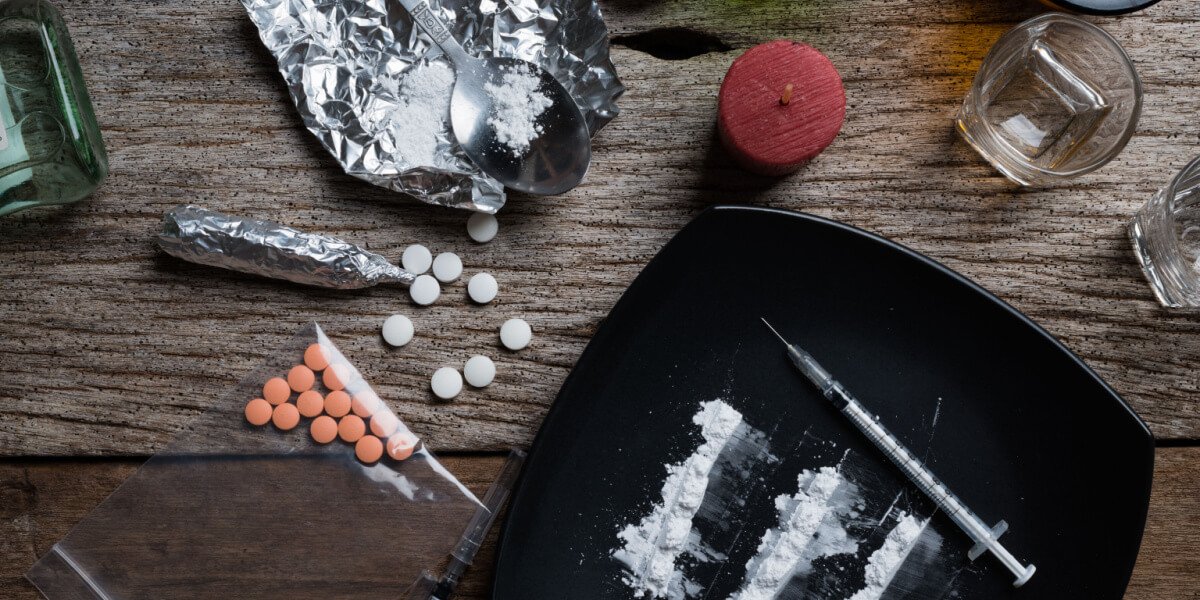
A fundamental part of my campaign is to name the issues we all feel but don’t hear about enough from our leaders. This is example number one. Too often we speak about the lack of affordable housing as the cause of all of our homelessness. What that fails to acknowledge is the role drug addiction plays in many cases of our most visible, chronic, and problematic homeless issues.
It’s important to state this very clearly, that for those who lose a job, have an unexpected medical bill, or other financial shock to their lives - we should help minimize the impact and help them quickly land back on their feet.
But for the second group, those with serious substance abuse issues, our failure to name this issue directly is the underlying reason we continue to spend so much and see so little improvement.
issue #1
our failure to prioritize treatment and recovery
We have spent over $1B addressing homelessness, plus another $1B subsidizing housing, and yet the number of people living on the streets is up 50% in the last 5 years.
We spend a tiny fraction of that on treatment and rehabilitation, and never require treatment to receive all the other housing support and benefits.
Over 63% of individuals living on the street have substance abuse and or mental health issues.
Many say that we need to “meet people where they are” and that “forced treatment doesn’t always work”. Clearly, what we are currently doing isn’t working, and a different approach - requiring treatment - is our best path out of this situation.
my solution
3 strikes = MANDATORY rehab
Addiction isn’t a criminal issue, but the symptoms of it can be. We need to create changes to our diversion laws requiring that for drug related offenses:
3 Strikes = Mandatory Rehab
Let’s not let those living on the streets suffer with their addiction more, and let’s not ask our communities to continue to suffer with other’s crimes of addiction.
This is the compassionate solution, the economical solution, and the respectful solution for our communities.
issue #2
permitted open drug use in government funded housing
Our county continues to fund shelter and low-barrier housing. The idea sounds reasonable - reduce barriers to encourage more people to come into shelter. The reality is that the open use within our government funded housing:
Traps those looking to actually recover and change their environment
Enables continued addiction by removing a real “rock bottom”
Allows dealers, often living within the buildings, to have a captive audience
Results in a higher rate of overdose deaths for those living in government housing than those living on the streets. Put differently, our policies costing us a fortune and costing us more lives.
MY solution
REQUIRE AT LEAST 1/2 OF ALL LOCATIONS tO BE SOBER
We need to use our current funding to ensure there are options for those on the pathway to recovery, so we should:
Remove anyone dealing drugs immediately from our government housing.
Make at least 10% more each year of our total shelter units dedicated to sober recovery housing
If those units fill quickly, speed up this transition to get to 1/2 of all units dedicated as sober by the end of 2028.
solution 3
harness our region’s strength and Demand by-name list & real time availablity for shelter and treatment
We live in the greatest region in the world for building, tracking, and integrating complex data.
We should build a human-centered, data-oriented:
Privacy-protected real-time database of each individual and their touchpoints with providers
Real time database of all available beds at shelters and treatment facilities
It’s simply not acceptable for an issue so important to not have the best tracking and need-matching solutions available.
Issue #3
we don’t track who needs help
We cannot assess our efforts without proper tracking. A “by-name” list of everyone living on the streets is imperative to ensure:
People don’t fall through the cracks
We understand individual needs and actions
We hold providers accountable for their efforts with each individual